-
The Bayou Brief Launches. This Is Our Mission: Un De Nous Autres
Reposted from The Bayou Brief. I am thrilled to introduce the debut edition of The Bayou Brief. Four months ago, I announced my intention of launching a one-of-a-kind publication: a 501(c)(4) non-profit, progressively-minded, online-only, and free source for news and commentary about the people and the politics of Louisiana. All of Louisiana. Almost immediately after the announcement, donations began pouring in, and in a span of only two weeks, more than 130 people had contributed over $40,000 to turn this vision into a reality, which meant I had to go to work, pronto. Before I could do anything, though, I needed to assemble…
-
After Voting To Protect Confederate Monuments, LA GOP Approved Cuts That Would Close Veterans’ Cemeteries
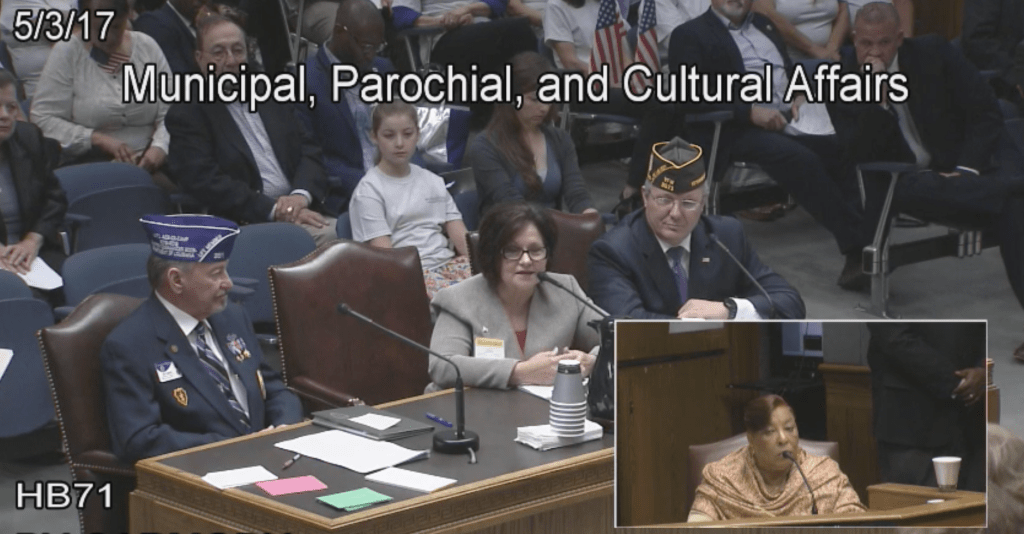
One day after Republican members of the Louisiana House Committee on Municipal, Parochial, and Cultural Affairs passed a bill that would prohibit any municipality from altering, removing, relocating, destroying, rededicating, or renaming any public structure, plaque, statue, monument, school, street, bridge, park, or area named after any notable person who has ever served in any war in American history, unless it is first approved in an election, they approved eliminating nearly $150,000 in funding to the Louisiana Department of Veterans Affairs. Those cuts, according to VA Undersecretary Homer Rodgers, would result in the closure of two relatively new veterans’ cemeteries in Leesville and Rayville…
-

Louisiana Is Moitié Fouz (In Memory of Deb Cotton)
In Cajun French, the same phrase people use to say that they feel like crying, J’ai gros cœur, literally translates as “I have a big heart.” The double meaning, which may seem contradictory to some, makes perfect sense to those of us from Louisiana. We don’t cry because our hearts are broken. We cry because our hearts are big. Outside of Cajun Country, down in New Orleans, we mourn our dead with joyous parades, which may also seem like a contradiction but which also makes perfect sense here in Louisiana. This is, in particular, what makes New Orleans so magical and…
-

In Defense of Louisiana’s History
“So you’re the little woman who wrote the book that started this great war,” President Abraham Lincoln famously said upon meeting Harriet Beecher Stowe, the author of Uncle Tom’s Cabin, in 1862. Of course, we cannot know for certain if these were Lincoln’s exact words to Stowe, but the quote endures, even if it is folklore, because it expresses a fundamental truth about the popularity and the persuasiveness of Stowe’s book, which, at that point, was more than a decade old. Uncle Tom’s Cabin was a phenomenally successful book. In its first year, it sold more than 300,000 copies in the United…
-

The Bayou Brief, Louisiana’s First & Only Online Statewide Non-Profit News Publication, Prepares Launch
Two months ago, I announced my intention to launch The Bayou Brief, a first-of-its-kind statewide, non-profit, and online-only news publication that would exclusively focus on quality investigative journalism about the Great State of Louisiana. Within less than a week, more than 120 people- 90% of whom were from Louisiana- contributed more than $15,000 to turn that idea into a reality. Suffice it to say, I have stayed busy during the last two months, and today, The Bayou Brief has incorporated as a non-profit corporation, appointed a Board of Directors, adopted Articles of Incorporation and Bylaws, hired one of the country’s best web development companies,…
-
Louisiana AG Jeff Landry’s Private Company Trademarks Trump-Inspired Clothing Line
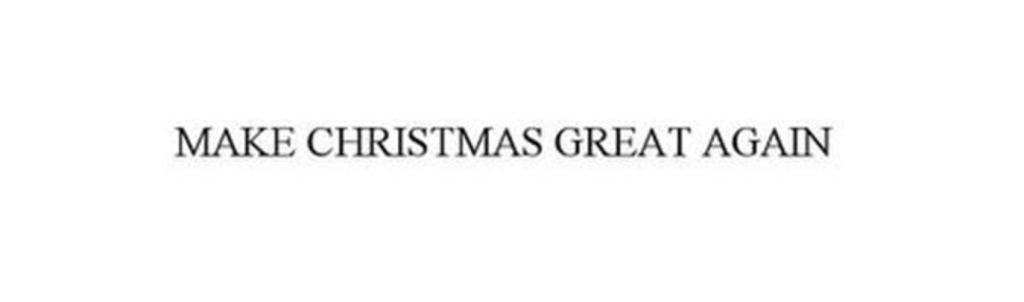
Nearly one year after former Congressman Jeffrey Martin Landry had been elected as the Attorney General and less than two weeks after Donald Trump won a stunning upset over Hillary Clinton, Landry saw a business opportunity. On Monday, Nov. 21, 2016, J.M. Landry and Associates, his solely-held consulting company, filed to trademark a Trump-inspired clothing line of “t-shirts, sweatshirts, tank tops, shirts, pants, trousers, shorts, jackets, pullovers, socks, footwear, hats, swimwear, baby clothing (namely, one piece garments), children’s t-shirts,” from his office at the Region’s Bank building in New Iberia, which, incidentally, is the same location listed for his law…
-
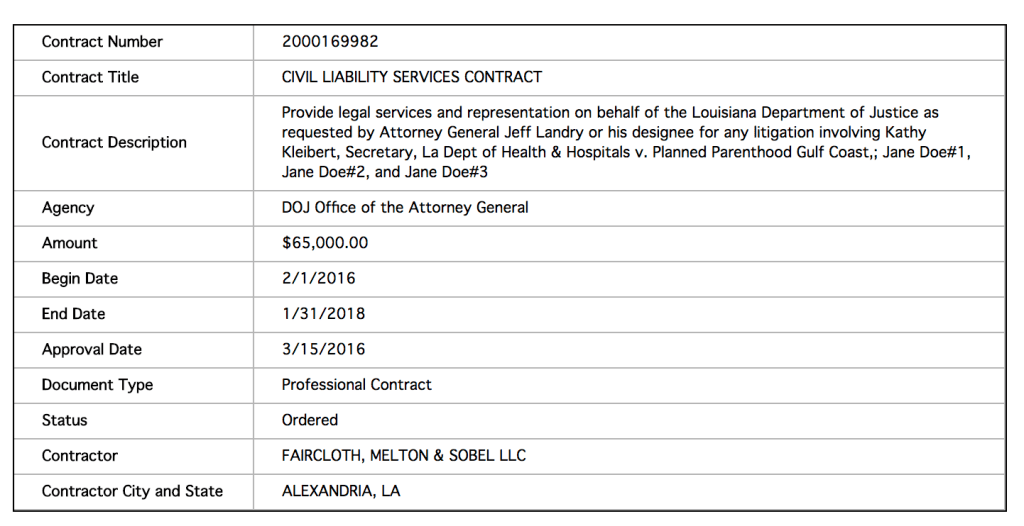
Jeff Landry: A Plaster Saint of Pay To Play
In 2015, during his campaign for Louisiana Attorney General, former Congressman Jeff Landry lambasted his opponent, the incumbent Buddy Caldwell, for running the Department of Justice like his own private fiefdom. Landry called it “the Buddy system,” and he vowed that, once elected, he would demand complete transparency. “A.G. candidate Landry pledges transparency,” blared a headline on the website The Louisiana Record, a publication owned by the U.S. Chamber for Legal Reform. The U.S. Chamber for Legal Reform is an affiliate of the U.S. Chamber of Commerce and is known to rely on “substantively inaccurate and methodologically flawed” surveys in…
-

The Numbers Don’t Lie: Repealing Obamacare Would Be Devastating To Louisiana
If Congressional Republicans and President Donald Trump are ultimately successful in repealing the Affordable Care and Patient Protection Act (more popularly known as Obamacare), Louisiana stands to lose 37,000 jobs, $639.7 million in revenue, $39.1 billion in business output, and $21.5 billion in gross state product (GSP) and strip health insurance from more than 400,000 people, according to multiple reports published by non-partisan organizations and projections released by the Congressional Budget Office. These losses would practically guarantee financial insolvency for a state that has already been lunging from one budget crisis to the next during the last four years, thanks almost entirely…
-
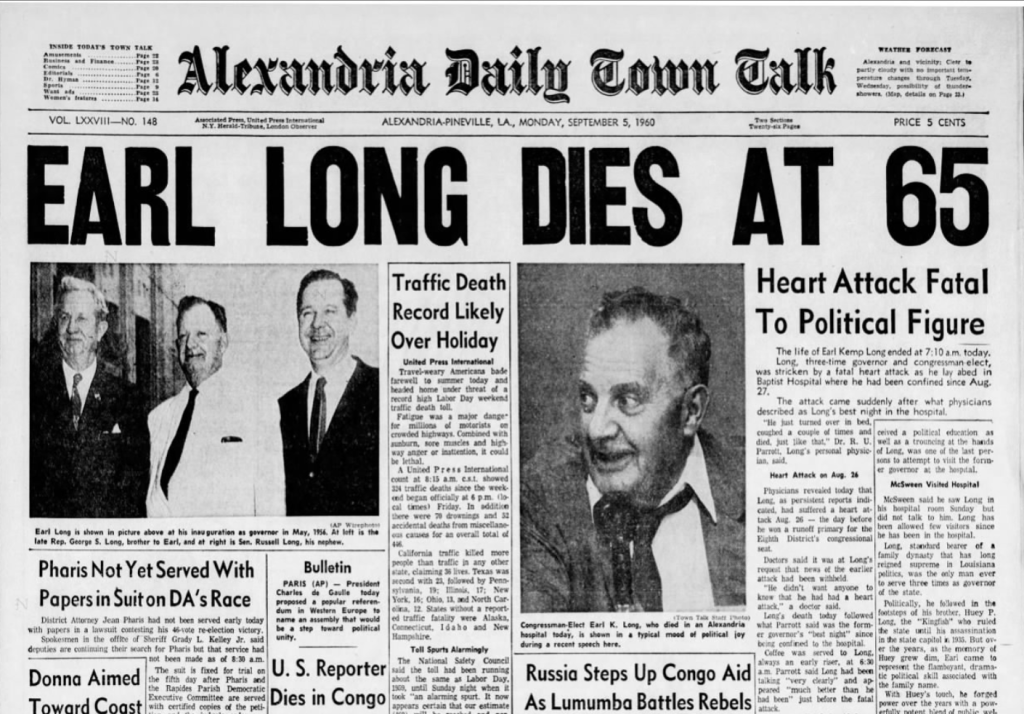
A Requiem For The Alexandria Daily Town Talk, 1883-2017
Two days ago, Judi Terzotis, Gannett’s newly-minted President of its newly-created Gulf Region Division, wrote the obituary for a 134-year-old daily newspaper that, in its heyday, had been one of the most influential and innovative journalistic institutions in the entire country, The Town Talk of Alexandria, Louisiana. Ms. Terzotis can be forgiven for not appreciating the magnitude of her announcement. She has only been on the job for about a year, and The Town Talk is just one of several mid-market papers for which she is responsible. It’s also worth nothing: She’s apparently never actually lived in Alexandria. Lafayette has been her home…
-
An Open Letter To Phillip Terrell, Rapides Parish District Attorney
Dear Mr. Terrell, I am writing to urge you to immediately cancel the upcoming seminar for local law enforcement officers titled Understanding and Investigating the Jihadi Movement. With all due respect, your office has been deceived into believing this seminar is objective, informative, important, and potentially life-saving training about the existential threats posed by radical jihadists, and I imagine this misunderstanding is why you stated that you were “surprised at the objections” leveled by the Southern Poverty Law Center and many others over the last few days. Unfortunately, you are not hosting a credible and respected anti-terrorism expert. You are…
-
CenLamar Readers Donate $15K to Launch a New Home for Progressive Journalism in Louisiana
Less than a week ago, I announced something audacious: A plan to transition from this personal blog, which I’ve been publishing for eleven years, onto a newly-created, first-of-its-kind website for Louisiana, a non-profit news organization that specializes in issue advocacy and in-depth, quality reporting about progressive causes. Only six days later, 121 people have, already, contributed a total of $15,000 to help turn that concept into a reality. I never once had to pick up the phone or send a single letter or e-mail. I never asked anyone individually or personally for a contribution. Each and every person who has contributed…
-
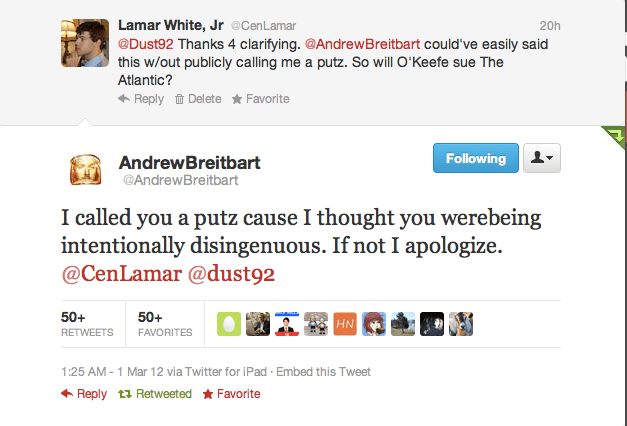
CenLamar Is Dead. Long Live CenLamar!
For nearly 11 years, I’ve been publishing CenLamar, which began as my personal blog and became something much bigger and much more influential than I had ever anticipated. Working by myself, without the luxury of an editor or a support staff, I broke major stories about the good, the bad, and the ugly of Louisiana politics: A US House Majority Leader who attended a national conference of white supremacists, a US Senator who billed taxpayers, in his capacity as a medical doctor, for thousands of dollars of work with LSU for which he could not fully account, a broken school…
-
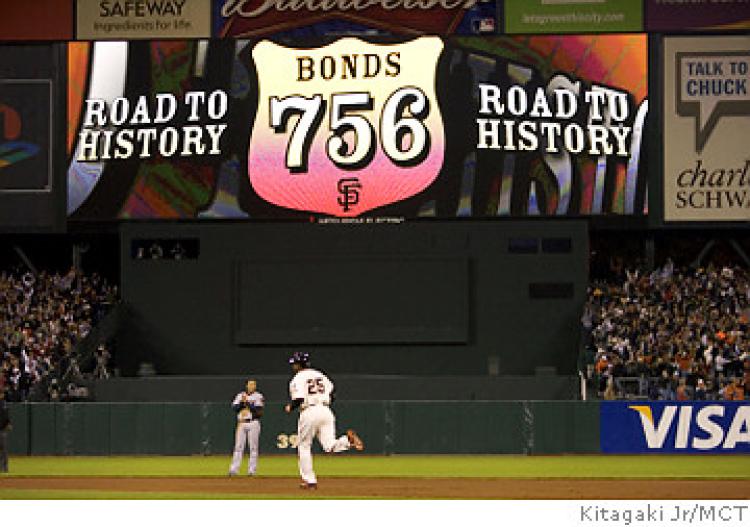
The Trump Asterisk
On August 7, 2007, Barry Lamar Bonds, left fielder for the San Francisco Giants, broke baseball’s most important record, blasting a 435 foot home run off of Washington Nationals’s pitcher Mike Bacsik over the right center wall at San Francisco’s AT&T Park. It was the 756th home run of Bonds’s career, surpassing Hank Aaron, who, 33 years prior, had made history by snatching the all-time home run record from baseball’s most famous demigod, Babe Ruth. Barry Bonds became baseball’s undisputed all-time home run king. Well, sorta. Bonds, as we later discovered (though had already strongly suspected), was cheating, using performance-enhancing drugs…
-
And we sang dirges in the dark / The day the music died
On February 3, 1959, a Beachcraft Bonanza carrying Buddy Holly, Ritchie Valens, and the Big Bopper crashed in a field in the outskirts of Clear Lake, Iowa, killing three of the most promising young American musicians this country has ever known. When the news broke, the press called it “The Day the Music Died.” That date has always carried special resonance for me: My father was born in 1959, two months after the crash, and he passed away in 2001, on February 3rd. But most of us remember The Day the Music Died because of Don McLean’s 1971 classic song, “American…
-
The Napoleon in the Napoleonic Code: Jeff Landry, Louisiana’s Attorney General. Chapter 1.
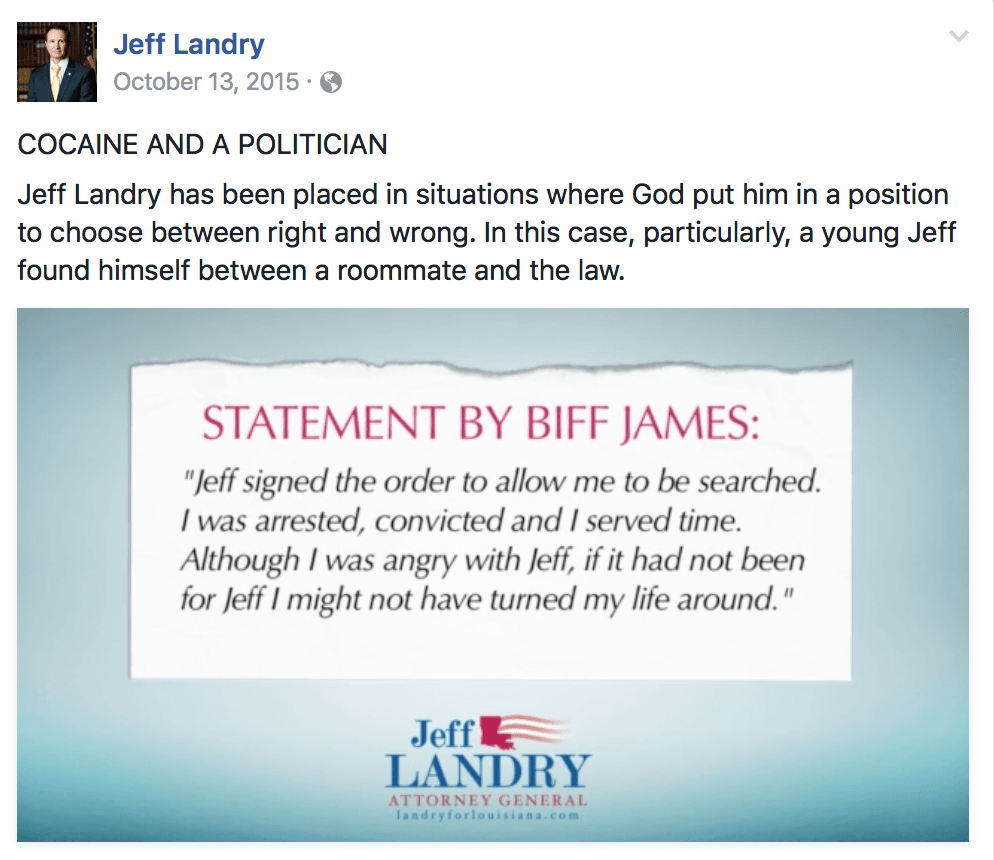
In 1993, when Jeff Landry, the future Attorney General of Louisiana, was 23 years old, he and one of his roommates, Biff James, worked as deputies in the St. Martin Parish Sheriff’s Department, deep in the heart of Cajun Country. At some point, their superiors realized that a large quantity of confiscated cocaine had gone missing from the evidence room, and it quickly became obvious that James was the most likely suspect. A search warrant wouldn’t be necessary. Landry allowed officers to comb through his home on Berard Street in tiny St. Martinville, presumably without consulting his roommate, and there they…
-

Long Shot: The True Story of John Bel Edwards’s Stunning Defeat of David Vitter
Last Sunday at Martin Wine Cellar in Uptown New Orleans, veteran political journalists Tyler Bridges and Jeremy Alford signed copies of their new book, Long Shot: A Soldier, A Senator, An Epic Louisiana Election. Clancy Dubos, the co-owner of the alt-weekly Gambit and the editor of the book, hovered around the audience. So too did James Carville and Mary Matalin, who had both written separate introductions. Over the course of 2 hours, more than 250 people streamed in, remarkable, in part, because their book signing was competing against another major event; the New Orleans Saints were playing the Tampa Bay Buccaneers. The book…
-
Did LA Congressional Candidate Contemplate Using Campaign Cash To Pay Back His Missing Child Support
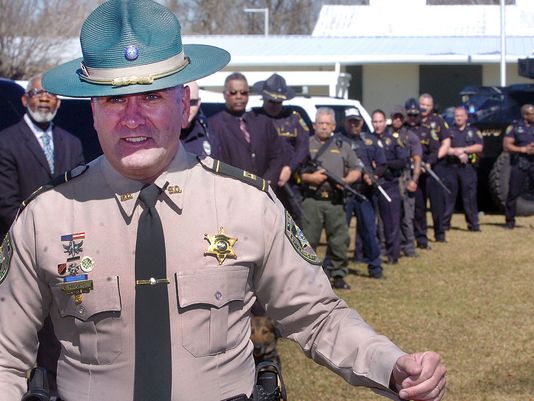
Yesterday, Rosemary “Stormy” Rothkamm-Hambrice, the ex-wife of former-Sheriff’s deputy and current United States Congressional candidate Clay Higgins, posted a lengthy missive on Facebook, excoriating her ex-husband for failing to pay over $140,000 (including interest) on back child support. Higgins, through his spokesman, had attempted to minimize the situation. “The timing of this is ridiculous,” Higgins’s communications director recently told The Advocate. Rothkamm-Hambrice vehemently disagrees and in explaining her decision to come forward now, she writes, “Our children have seen all of the hateful posts my former husband has posted on his political page to which I have not responded. Some of his…
-

Gleason: A Heartbreaking Work of Staggering Genius
For those of you who are not from Louisiana, Steve Gleason, a former football player for the New Orleans Saints, is a bona fide hero down here, and he likely would have always been considered a hero because of his role in an iconic play on the very first drive in the very first home game at the Superdome since Hurricane Katrina. It is difficult to overstate how a simple blocked punt became such a cathartic moment, not just for the Saints, who ultimately won that game, but for the entire region. In a small but powerful way, Gleason’s blocked…
-
America Amused Itself To Death
31 years ago, well before the birth of social media and cable news and Celebrity Apprentice, a media theorist named Neil Postman argued that the greatest existential threat to American democracy wasn’t the looming possibility of totalitarianism or state control, as envisioned by George Orwell’s classic book 1984. We weren’t at risk of having the government actively seize our rights out from under us, because that wasn’t even necessary. People would be more than happy to surrender their rights, voluntarily, as long as they were kept entertained, Postman contended in his now-classic and incredibly prescient book Amusing Ourselves to Death: Public…
-
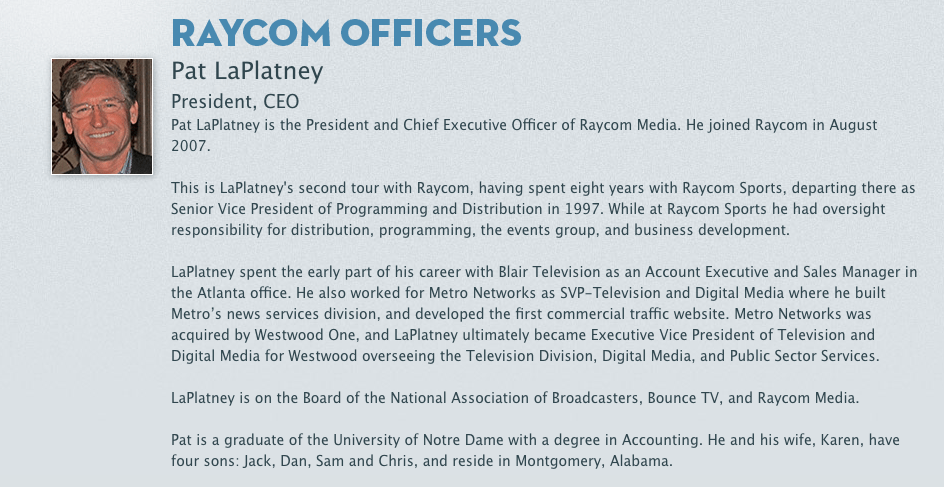
Pat LaPlatney, CEO of Raycom Media, Owes Louisiana An Apology and An Explanation For The US Senate Debate
Last night, while most of the country was tuned into the very beginning of what may be remembered as the greatest baseball game in American history, many in Louisiana were watching what should be remembered as the worst televised political debate in state history. As a result of corporate incompetence, poor planning, and terrible moderating, debate sponsors allowed the country’s most notorious white nationalist and outspoken racist to appear on stage at an historically African-American university and dominate what should have been a substantive discussion of the issues with erratic, angry, and delusional hate speech. Students who protested outside the…
-
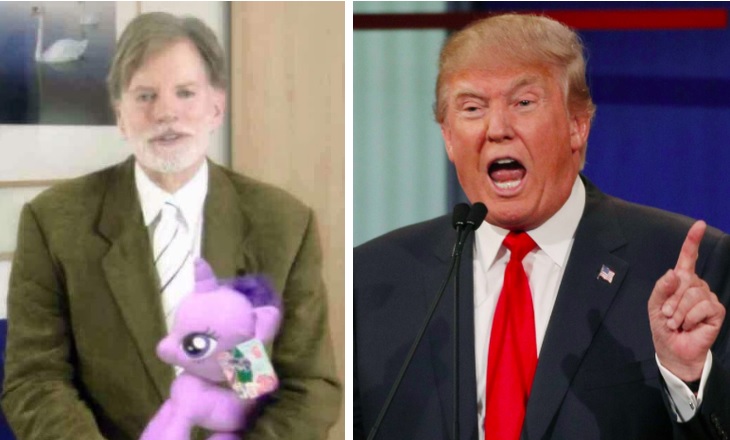
The David Duke Factor
Why the Former Klansman Is More Relevant To Donald Trump’s Campaign Than Any Republican Elected Official, Including Mike Pence Yesterday afternoon, I was a guest on the Jim Engster Radio Show with former Louisiana State Sen. Ben Bagert, one of a small but prominent group of people who have had the surreal experience and perhaps the misfortune of running against David Ernest Duke for the United States Senate. In Bagert’s case, it was way back in 1990, and Duke was much more formidable, as a candidate, 26 years ago in Louisiana than he is today. Although he ultimately lost the 1990 election…
-
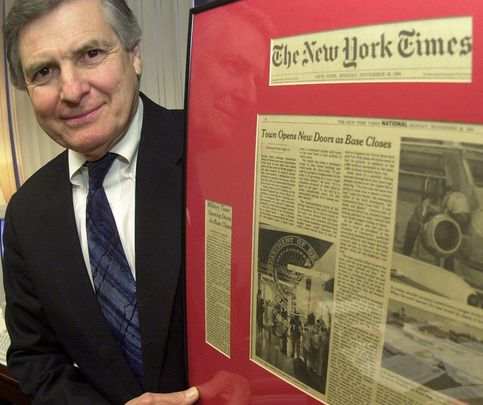
Alexandria’s Beloved Former Mayor Ned Randolph Dies At 74
Edward Gordon “Ned” Randolph, the former Louisiana State Representative, former Louisiana State Senator, and former five-term Mayor of his hometown of Alexandria died in the early morning hours of Tuesday, October 4, 2016 from complications due to Alzheimer’s, a disease he had been quietly and courageously battling for much of the last years of his life. Like hundreds of others from Central Louisiana, I loved and cherished Ned Randolph. During his active years in public life, Ned was a visionary leader and a humble, decent soul who spent his entire career as an optimistic evangelist for the people of his…
-
-
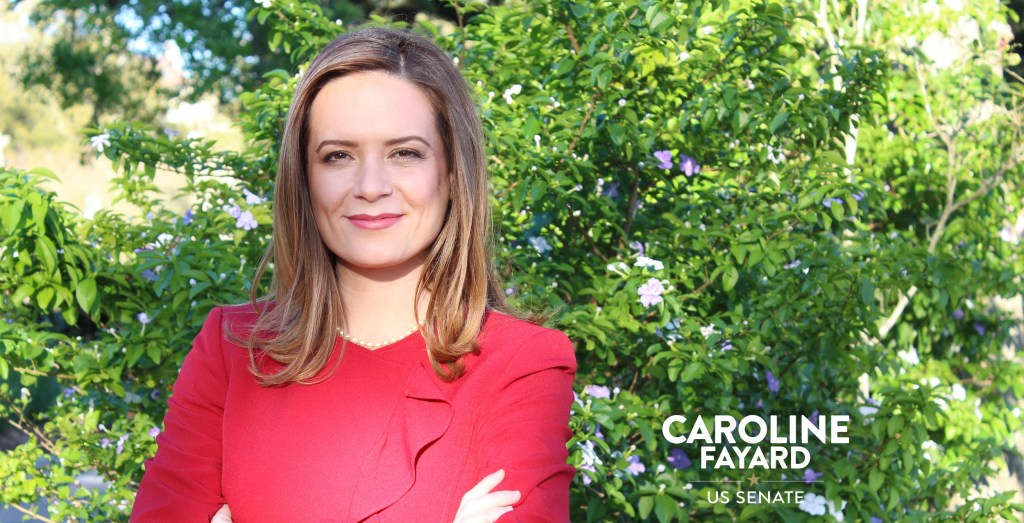
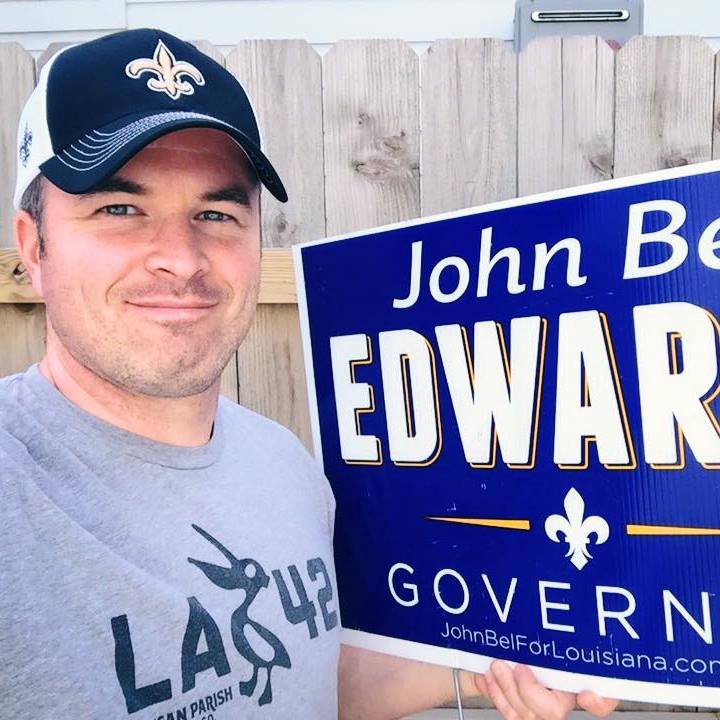
Introducing The CenLamar Podcast: Episode 1: Caroline Fayard
Because we are in the throes of what is- without question- the craziest election season in modern American history, I finally decided to hop onto the bandwagon and launch my very own podcast. There will be no rhyme or reason to the schedule. This won’t be something you should set your clock to. Some weeks, I may record multiple shows. Other weeks, I may go completely missing in action. Regardless, I think this will be a great way to have a substantive dialogue with people who live and work in Louisiana about current events, politics, and culture. I hope that…
-
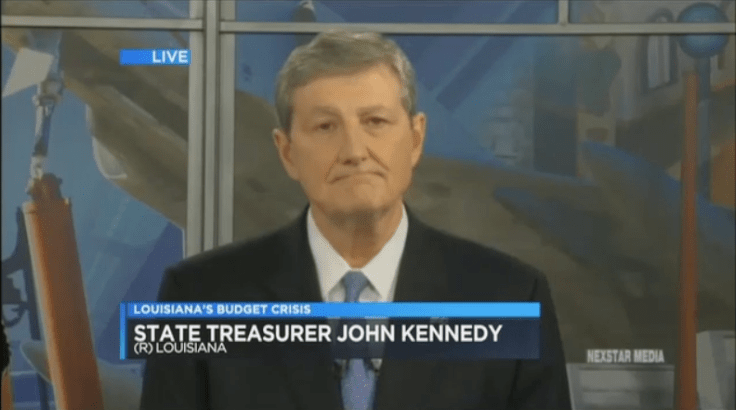
John Kennedy’s Slippery Soapbox
Earlier this year, back in February, when the newly-elected governor and the state legislature were grappling with what looked to be a nearly $1 billion immediate budget shortfall and a shortfall of an additional $2 billion the next year, Louisiana Treasurer John Kennedy went on a one-man crusade to prove to everyone, once and for all, that Louisiana “doesn’t have a revenue problem; it has a spending problem.” Of course, that was not true. The state’s budget had already been cut to the marrow, and the governor, the majority of legislators, and policy experts all agreed and understood that it…
-

What Donald Trump’s Candidacy Definitely Proves
There is only one candidate in this election who is currently being sued for fraud and civil RICO (that’s racketeering and corruption) violations. Only one. In fact, there is only one candidate in this election who has ever been forced to settle with the government for violations of the law. Only one. They’ve investigated and scrutinized Hillary Clinton for decades, and the most damning thing they’ve ever found? Her use of a private email server, something that the FBI Director said “no reasonable prosecutor” would ever pursue in a court case. In fact, all of her recent predecessors in the…
-

How the DNC Failed Disabled Delegates and Attendees
Last week in Philadelphia, the Democratic National Convention Committee hosted what it promised would be “the most accessible convention ever.” “The DNCC has made accessibility an integral part of all aspects of Convention planning since its arrival in Philadelphia, from transportation and housing to designing the traffic flow at Convention events,” it boasted in a press release. Unfortunately, though, the best laid plans too often go awry. I have lived all 34 years of my life as a disabled American (I was born with cerebral palsy), and this year’s DNC was one of the least accessible events I’ve ever attended.…
-
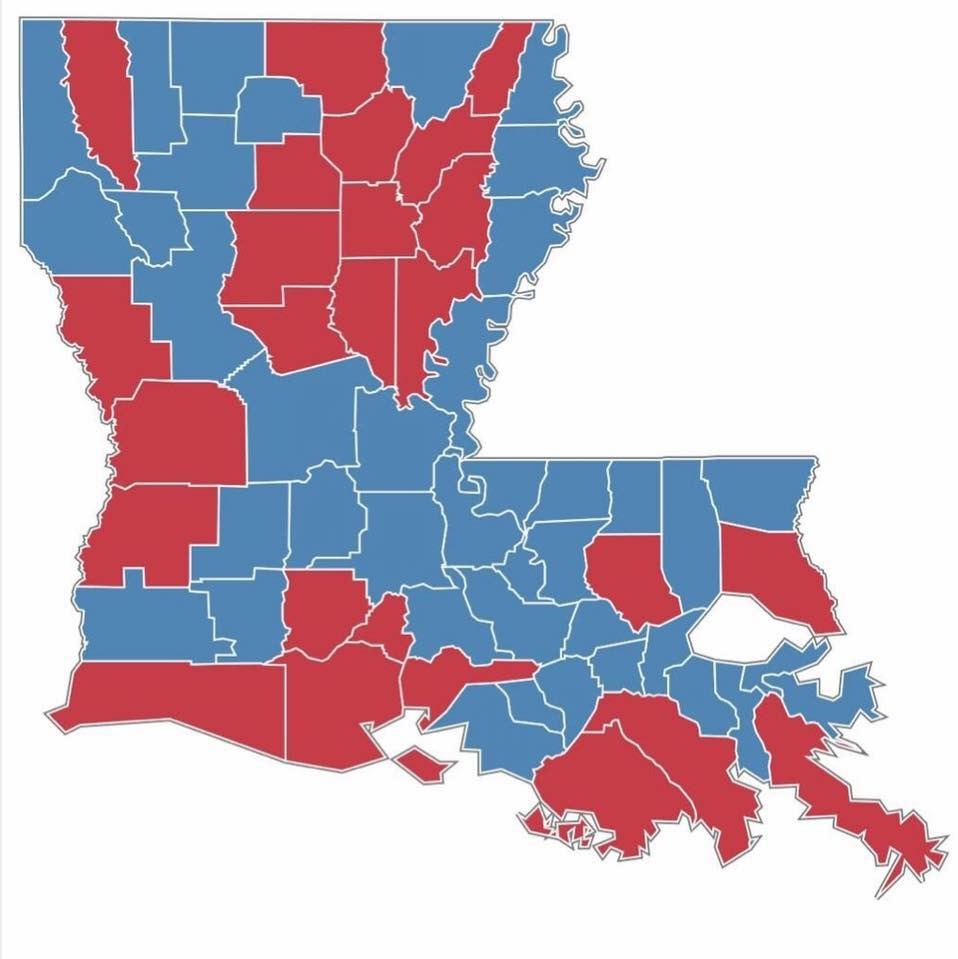
Can Hillary Win Louisiana?
For the first time in 52 years, Utah is now considered a battleground state in the upcoming Presidential election. According to a recent poll, Donald Trump and Hillary Clinton are tied in the Beehive State, which is stunning considering that Mitt Romney carried Utah by a staggering 48 points only four years ago. Today, Romney has been one of Trump’s most outspoken critics, which may explain at least in part why the presumptive Republican nominee is struggling in a state that hasn’t supported a Democratic candidate since the year after President Kennedy’s assassination. But he is not the only reason Utahns seem…
-
No-Show Neil: State Rep. Neil Abramson Can Run, But He Can’t Hide
Recently, in a meeting of the Louisiana Senate Fiscal Revenue and Affairs Committee, the mother of a special needs child testified that she had been subjected to relentless attacks on social media by anti-tax proponents. She also lamented the work being done by another legislative committee, the powerful House Ways and Means Committee. That committee is responsible for determining how to solve the state’s budget shortfall, which threatens, among other things, programs and services for disabled children. The mother testified today, as she has throughout the session, to advocate on behalf of her child and the children of countless other families. But…
-

America Is A Gun
On February 17, 2016, the British poet Brian Bilston, the “poet laureate of Twitter,” published a poem he titled “America is a Gun.” Three days later, in Kalamazoo, Michigan, an Uber driver named Jason Brian Dalton set out on a four and a half hour murderous rampage. He selected his victims randomly. A 25-year-old mother, Tiana Carruthers, was his first victim. He shot her four times with a semi-automatic Glock handgun, while she stood in the parking lot of her apartment complex, alongside her small daughter and several other young children. Carruthers, fortunately, survived. A few hours later, Dalton drove…
-
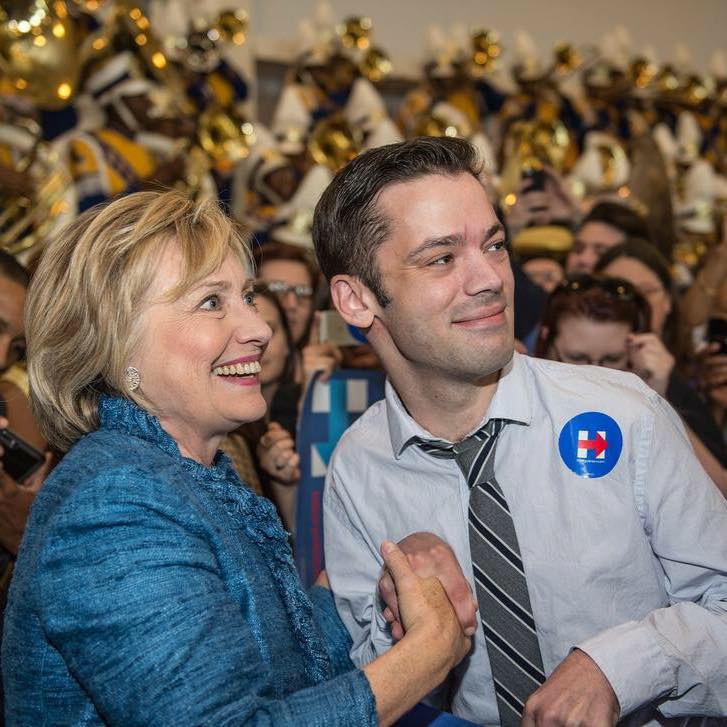
Why I’m Supporting Hillary Clinton: A Plea to Louisiana Progressives
Last year, on July 25th in New Orleans, the Louisiana Democratic Party hosted its annual Jefferson-Jackson Dinner, the big yearly fundraiser and pep rally showcasing the state party’s leaders and agenda. There was a tribute to the outgoing U.S. Sen. Mary Landrieu, speeches by U.S. Rep. Cedric Richmond and State Sen. and Party Chairwoman Karen Carter-Peterson, and a keynote address by U.S. Sen. Amy Klobuchar. There was also a speech by a state representative from Amite, Louisiana who was campaigning for governor, a bid that many in the room thought to be improbable and unlikely, even if they liked him…
-
To Save TOPS From Financial Bankruptcy, LA Republicans Declare Moral Bankruptcy
“Don’t tell me what you value,” Vice President Joe Biden often says. “Show me your budget, and I’ll tell you what you value.” It’s Biden’s riff on the adage that “budgets are moral documents,” which is often attributed to Rev. Martin Luther King, Jr. Yesterday, Louisiana House Republicans, led by State Rep. Cameron Henry, made their values clear: Saving a college scholarship entitlement program that disproportionally “benefits students from white, affluent families” is more important than saving the lives of poor people who rely on the state’s public safety-net hospitals. Henry seeks to close a $182.5 million shortfall for the scholarship…
-
Bobby Jindal’s Reluctant Endorsement of Trump Demonstrates How Much He Loathes David Vitter
In early September, former Louisiana governor and erstwhile presidential candidate Bobby Jindal stood before the Washington Press Club and tore Donald Trump to shreds. “It’s been a lot of fun, but here’s the problem,” Jindal said. “Donald Trump is not a serious candidate. He’s a narcissist. He’s an egomaniac. The only thing he believes in is himself. I want to say what everybody is thinking about Donald Trump, but is afraid to say.” Jindal was daring to go where no other Republican candidate had gone before. He called Donald Trump “unserious,” “unstable,” “insecure,” and “weak.” He doubted Trump had ever even read…
-
The Ragin Cajun Versus The Turd Blossom
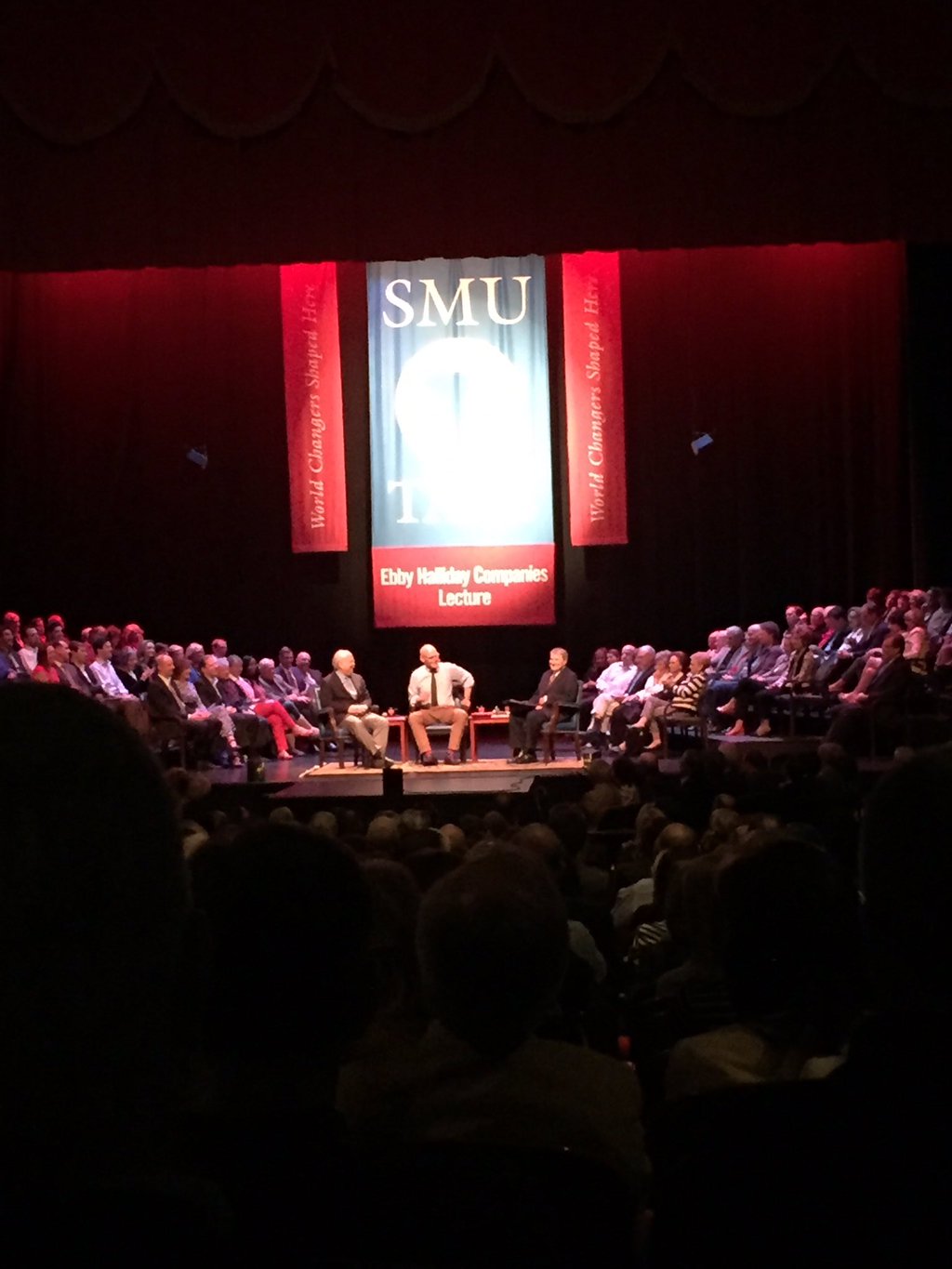
A day before Donald Trump became the presumptive Republican nominee for President of the United States, I witnessed something I never would have imagined possible only a year ago, SMU cheering wildly for the most famous Democrat in Louisiana, James Carville. Southern Methodist University is my law school alma mater and the alma mater of practically half of my family, including my father, grandfather, and sister, and the place in which my paternal grandmother is interred. My great-grandmother on my maternal grandfather’s side, Jodie, enrolled in SMU’s very first class in 1915, only to leave after a couple of weeks. A…
-
“Lamar, it was the right thing to do.” – Gov. John Bel Edwards
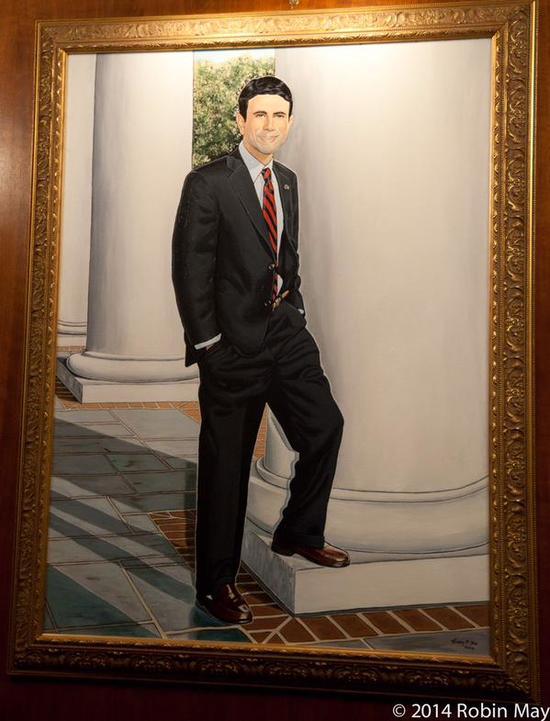
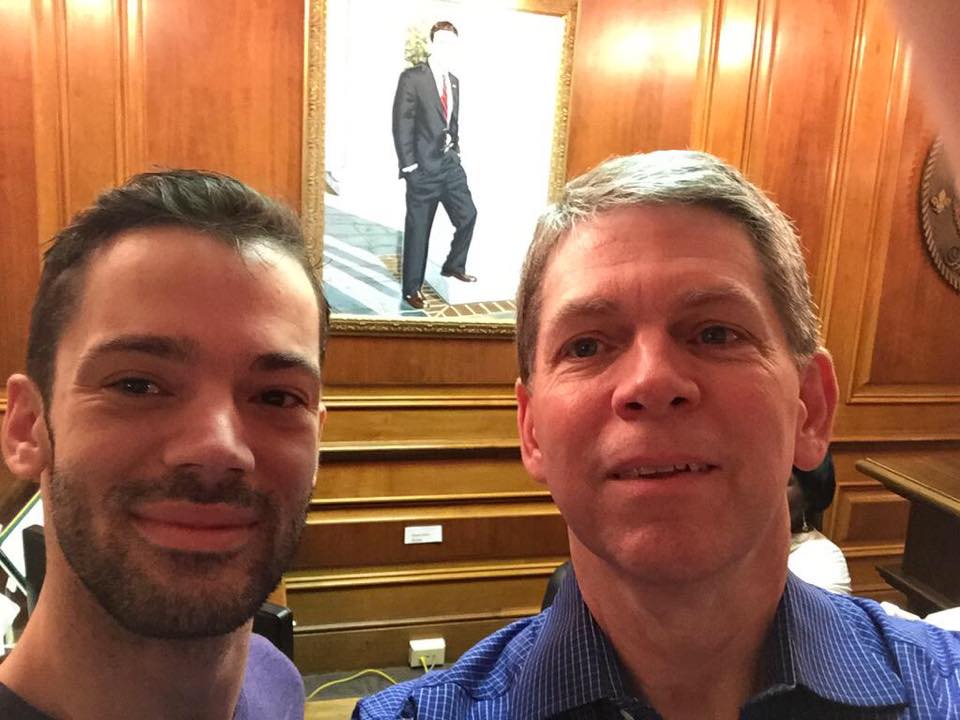
Yesterday, I ascended the elevator to the fourth floor of the Louisiana State Capitol for the first time since Bob Mann and I posed for a selfie in front of the dead-color, underpainting of former Gov. Bobby Jindal. Hundreds of visitors had seen this surreal masterpiece of Jindal before, a painting that manages to be both tone-deaf and color-blind, a paradoxical yet unintentionally illuminating portrait of a man who spent much of his early adult years struggling with and writing about identity politics and the allure of acculturation. But for whatever reason, no one had thought to share this vitiligo-inspired,…
-
Lt. Gov. Nungesser’s Scam Deal Isn’t Funny; It’s Impeachable
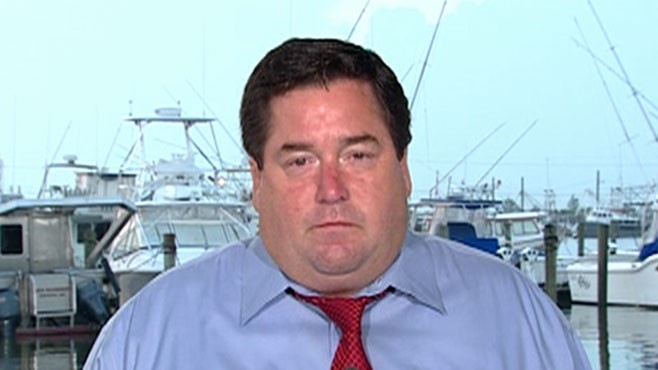
“It might be a good idea to get someone from IT to make sure Lt. Governor Billy Nungesser’s spam filter is working,” joked Jeffrey Bostick, also known as Skooks, on his website Library Chronicles. “We can’t keep falling for phishing schemes.” Jeffery sarcastically titled his post, “The Nungesser Administration seems to be going well.” Jan Moller, the Director of the Louisiana Budget Project, beat most of us to the punch when he observed on Facebook, “I always used to wonder what kind of person fell for those Nigerian prince email scams. This explains a lot.” On Sunday, Rebekah Allen and Richard Thompson…
-

Announcing the Launch of Imagine Louisiana Communications
For more than a decade, I have written about the circus of Louisiana politics here on CenLamar. All told, I’ve published over 2,000 original articles and received nearly 2 million visitors. I’ve written about issues both big and small. I created this website because I wanted, in some small way, the opportunity to participate in a discussion about the future of my hometown and my home state. Here on CenLamar, I found my voice, and I like to believe that I have provided a venue for others to find theirs as well. I have never had a staff. This has…
-
EXCLUSIVE: Director of U.S. Senate Candidate John Kennedy’s SuperPAC Donated To & Now Prepares His Opponent’s Campaign Committee Reports
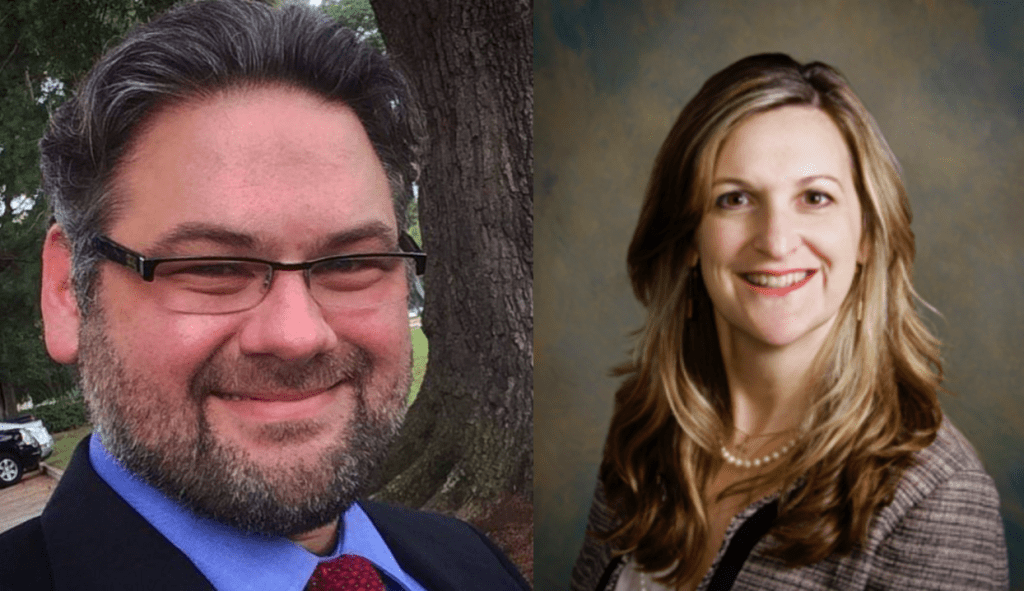
On Oct. 24, 2015, Louisiana State Treasurer John Neely Kennedy won his fifth consecutive term by an astounding 80% of the vote, defeating his opponent, Jennifer Treadway, a Baton Rouge lawyer and fellow Republican, by overwhelming margins in every single parish. Kennedy won by a larger margin than any other statewide candidate in any other election, and it wasn’t even close. Shortly after Treadway qualified on Sept. 8, she issued a statement to the media, explaining her rationale. “The failures of Bobby Jindal and John Kennedy as Chief Executives have kept Louisiana at the bottom of the good lists for far…
-
LA State Sen. Milkovich Claims Noah’s Ark Was Discovered and New Scientific Discoveries Prove Creationism
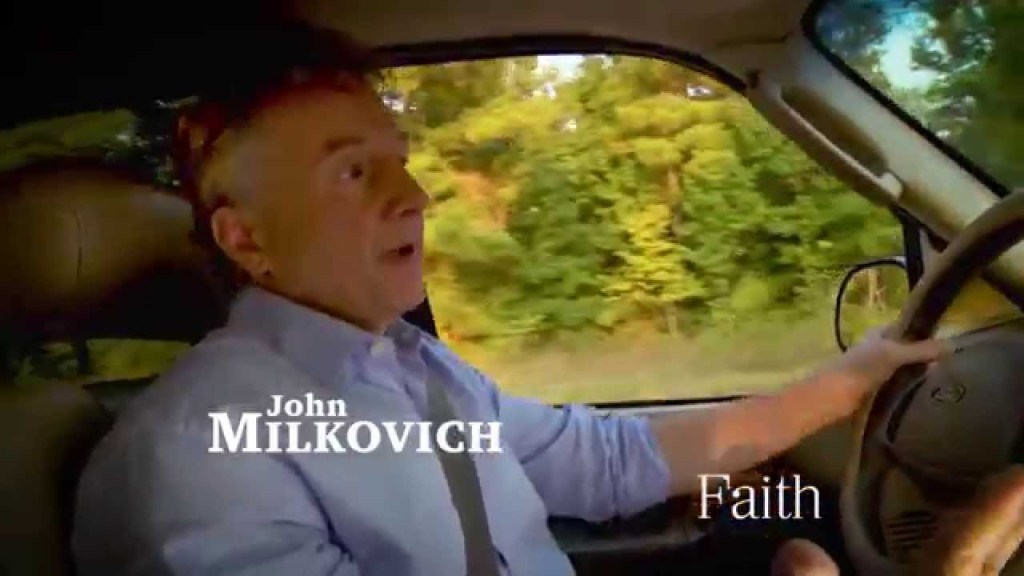
LA State Sen. Milkovich Claims Noah’s Ark Was Discovered and New Scientific Discoveries Prove Creationism
-
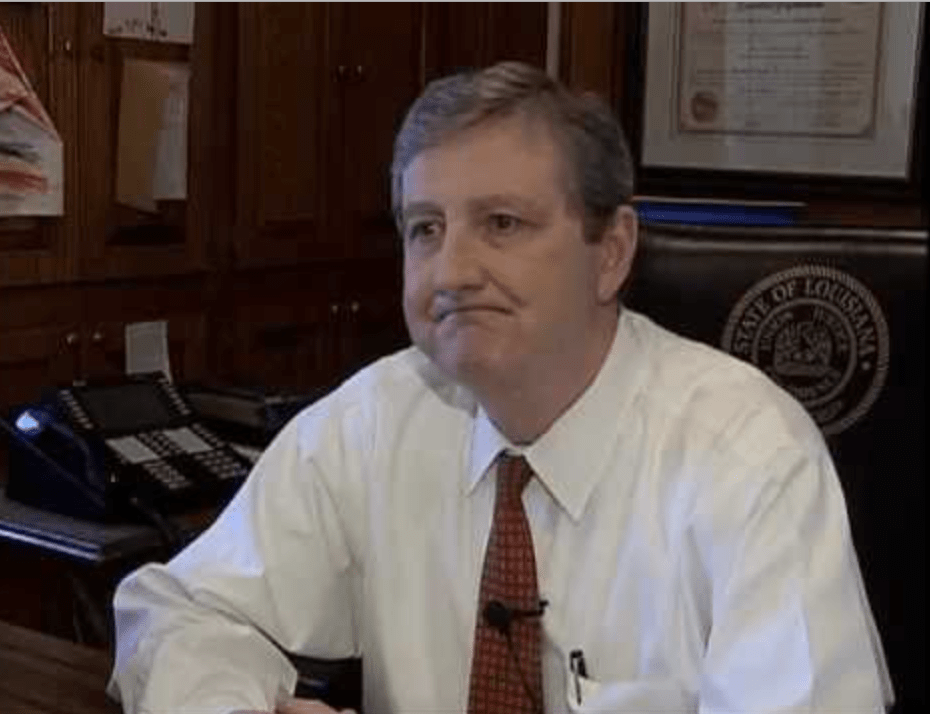
Treasurer John Kennedy Wants To Illegally Transfer State Campaign Donations To Federal SuperPAC
On September 10, 2015, I joined my friends Jeremy White of Red Shtick and Baton Rouge Metro-Councilman and current mayoral candidate John Delgado for an irreverent (and probably not-safe-for-work) political podcast, which was taped at Huey’s in downtown Baton Rouge, an establishment owned by Delgado. We were in the midst of a wild and historic gubernatorial election, so there was a lot to cover. About an hour in, we were joined by Jason Redmond, who was introduced by Jeremy as one of the state’s biggest political nerds and a long-time staffer for State Treasurer John Kennedy. “I asked you earlier if…
-
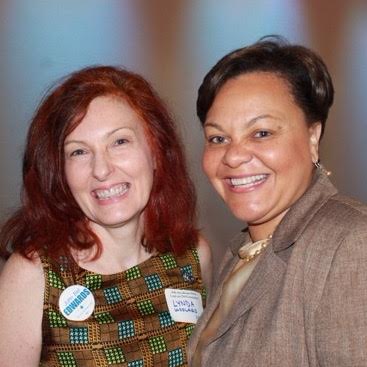
Guest Column: No One Works Harder for the Louisiana Democratic Party Than Karen Carter Peterson
By Lynda Woolard On April 2nd, Louisiana Democrats will determine the leadership of our party for the next four years. I am writing to make the case that the Louisiana Democratic Party is in good hands with Karen Carter Peterson and that Sen. Peterson deserves to be rewarded with another term as the party’s chairwoman. I worked with Chairwoman Peterson at the party for three years as the lead organizer for Team Blue Dat, our network of grassroots activists. Today, I no longer work for the party or for any partisan organization or candidate. My endorsement of Sen. Peterson’s candidacy is not based…
-
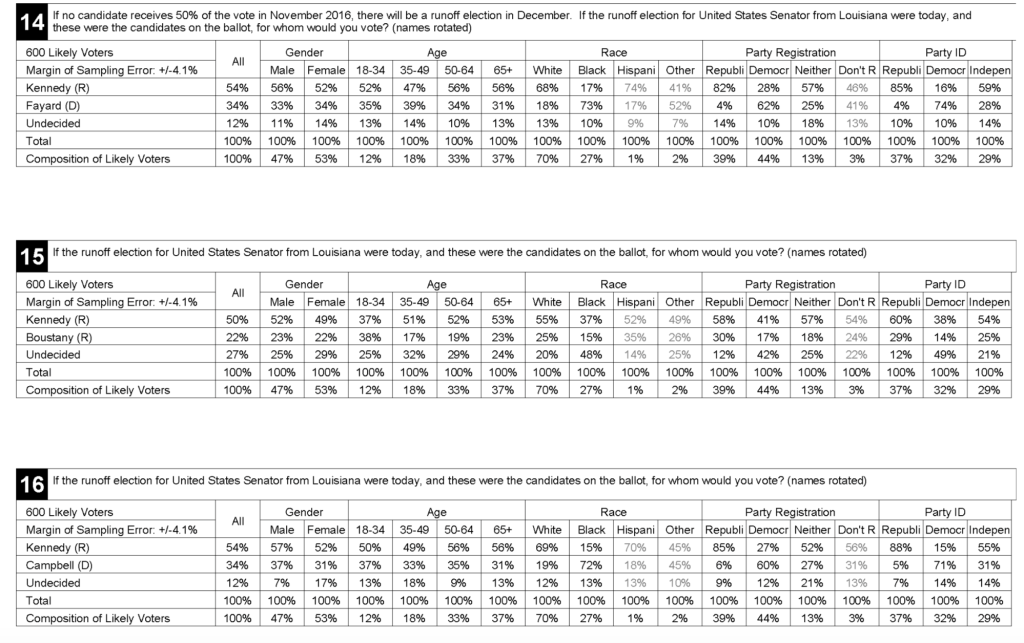
Kennedy’s Poll Shows He’s Vulnerable to Democrat Challenger For U.S. Senate
According to the most recent poll released by Make Louisiana Proud, a SuperPAC affiliated with State Treasurer John Kennedy’s campaign for U.S. Senate, Kennedy maintains a commanding lead over his rivals, garnering more than twice the support of his closest competitor, fellow Republican and U.S. Congressman Charles Boustany. The election is still more than seven months away, and the field is already enormously crowded, with at least ten candidates who have either announced or speculated to announce in the near future. The poll, conducted by Survey USA, shows Kennedy ahead of the pack of Republicans with 21%, followed by Boustany…
-

Perfect Metaphor: LA Treasurer Kennedy Has $300K In Public Art And Leases Other Office At Premium From Campaign Donor
Days after State Treasurer John Kennedy unfairly and falsely criticized former Lt. Gov. Jay Dardenne for purchasing and installing $1.1 million in public art at the newly-opened $1.1 billion University Medical Center in New Orleans, a program mandated by the state’s 27-year-old “Percent for Art” law, he posted a Facebook photograph of him posing next to the new $350,000 glass sculpture by the world-renowned artist Dale Chihuly as an example of government waste. Presumably, the Treasurer believed that public art, however valuable and impressive, was nothing more than a colossal waste of public money, regardless of its prominent, showcase position…
-

Treasurer John Kennedy Lies About Jay Dardenne, Mocks Public Art, & Doesn’t Know The Law
Louisiana State Treasurer and current candidate for U.S. Senate John Kennedy is maliciously and wrongly accusing former Lt. Gov. Jay Dardenne of wastefully spending public money on two “world-class” works of public art installed at the new $1.1 billion University Medical Center in New Orleans, despite the fact that Louisiana’s “Percent for Art Program” law requires the state to spend 1% on art for any public building project worth more than $2,000,000. Moreover, neither Dardenne nor anyone in his former office “spent” money for this artwork. As the law clearly states, the agency responsible for constructing the public building is tasked with purchasing the…
-
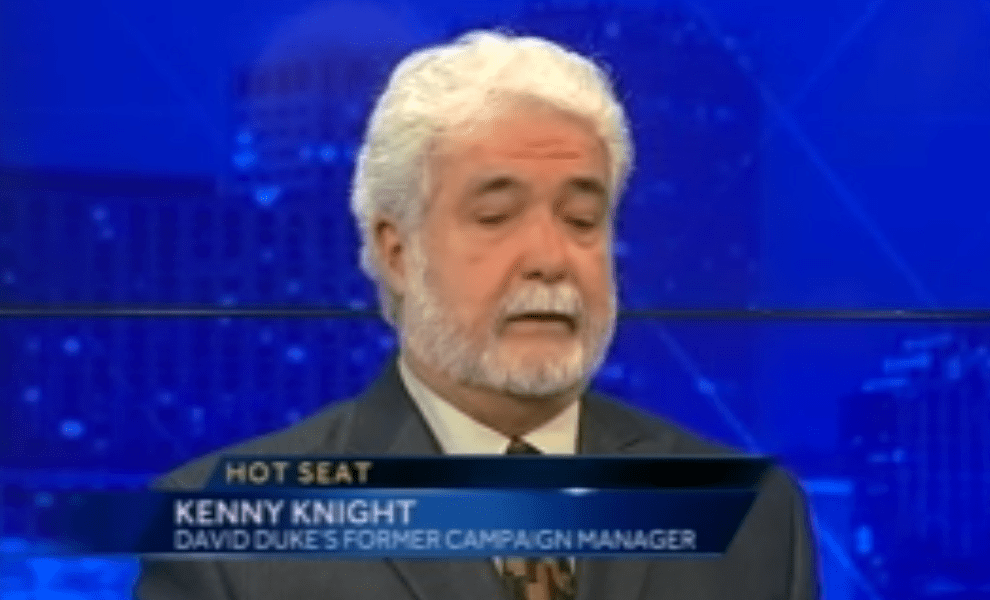
Steve Scalise’s Alibi
On Dec. 28, 2014, I hit “publish” on what would almost instantly become the most sensational and most popular report I’ve ever written. After more than a month of research, I uncovered evidence that House Majority Leader Steve Scalise, a Republican from Louisiana, had once attended a conference hosted by the European-American Unity and Rights Organization (or EURO), a white supremacist hate group founded by David Duke, a former grand wizard of the Ku Klux Klan. Within hours, the story had been picked up by news outlets all across the globe. For a few brief days, it seemed as if…
-

Transcript of Sheriff Newell Normand’s Fiery Speech: “To hell with Grover Norquist!”
Yesterday, Jefferson Parish Sheriff Newell Normand, a Republican, delivered a fiery, no-nonsense speech about the state’s partisan deadlock, and spent most of his time excoriating the former Republican governor, Bobby Jindal, and Republican members of the state legislature for their negligence and dereliction of duty. It’s a great read, and since no one else has published the full transcript, I thought I could provide a much-needed public service. Quoting: What a mess. Bobby Jindal was a better cult leader than Jim Jones. We drank the elixir for eight years. We remained in a conscious state; we walked to the edge…
-
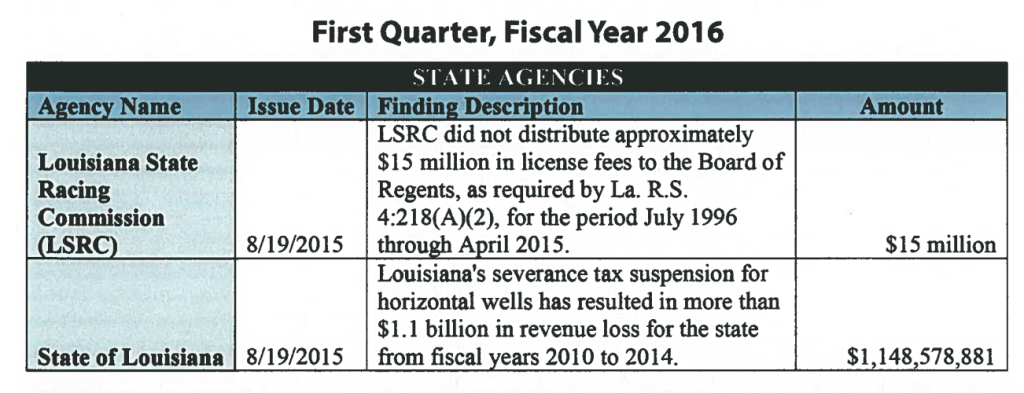
LA Treasurer John Kennedy Accidentally Destroys His Own Argument
On Tuesday afternoon, as legislators grappled with how best to solve Louisiana’s current $957 million budget shortfall and next year’s projected $2 billion shortfall, State Treasurer (and U.S. Senate candidate) John Kennedy continued his campaign to convince anyone who will listen that Louisiana “has a spending problem and not a revenue problem,” appearing as a guest on WWL’s Garland Robinette’s radio show. Last week, in his statewide “Republican response” to Gov. Edwards’ televised primetime speech on the budget crisis, Kennedy claimed to have outlined 400 ways to cut spending and solve the shortfalls without increasing taxes. But critically, he didn’t reveal that his 400-point plan…
-

The Louisiana Republican Party: Suicide Bombers
On Monday morning, the first full day of the Louisiana legislative special session, Commissioner of Administration Jay Dardenne announced more bad news: The current year’s fiscal deficit wasn’t $940 million; it was actually $957 million, due to $17 million in FEMA money from Hurricane Gustav that is still outstanding. A few hours later, the president of the University of Louisiana system said that Nicholls State may have to close temporarily for two weeks during the spring semester, even under a “best case budget scenario.” And at the end of the day, the Plaquemines Parish Public Defenders Office announced it’d be…
CenLamar | Est. 2006

 CenLamar | Est. 2006